
The Crucial Role of Root Canal Treatment in Dental Health {RCT}
3/26/20261 min read
Understanding the Importance of Root Canal Treatment
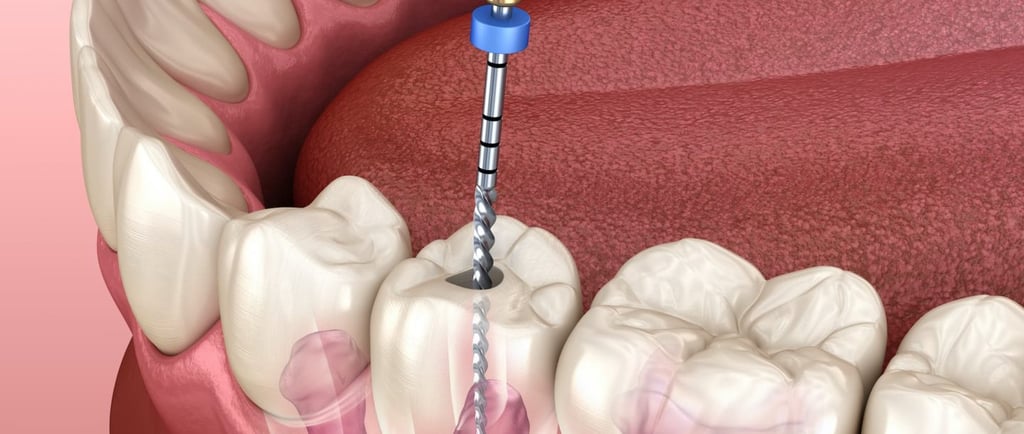
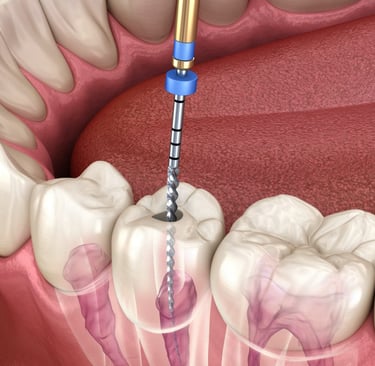
Root canal treatment is a dental procedure aimed at saving decayed teeth that have been severely damaged or infected. The necessity of this procedure stems primarily from its ability to preserve the natural tooth structure. A root canal involves removing the infected pulp from the tooth’s interior, cleaning and disinfecting the space, and then sealing it. This process not only alleviates pain associated with tooth decay but also prevents further decay and potential extraction of the tooth.
Consequences of Tooth Extraction
While tooth extraction may initially seem like a straightforward solution to dental decay, it can have significant long-term repercussions. Extracting a tooth can lead to several complications, including the shifting of neighboring teeth, bone loss, and ultimately the need for more extensive dental work such as implants or bridges. These additional procedures can become costly and may not provide the same function and aesthetic as preserving the natural tooth through root canal treatment. Furthermore, the emotional and psychological impact of losing a tooth should not be underestimated.
Why Saving Decayed Teeth Matters
Maintaining one’s natural dentition is essential not just for functional purposes but also for overall health. Studies have shown that preserving natural teeth through root canals can aid in maintaining jaw structure and preventing the complications that often arise from extractions. When a tooth is saved, it contributes to the functionality of the bite and the ability to chew effectively, supporting proper nutrition and overall health. Additionally, root canals can help in preserving the smile’s aesthetics, which significantly contributes to a person’s confidence and social interactions.
In summary, opting for root canal treatment over extraction is often the more beneficial choice for dental health. It provides a pathway to save decayed teeth while reducing the risk of subsequent oral health issues. By prioritizing life-saving treatment for damaged teeth, patients not only enhance their oral health but also their quality of life.
Excellence in Priyesh Dental
World-class dental treatment by experienced specialists.
connect
orthoendo.dentalclinic@gmail.com
+91 6388 699 452
© 2024. All rights reserved.